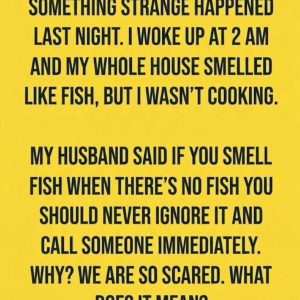
Although overheating electrical components are an important possibility, a fishy smell does not automatically mean that your home has an electrical fault. Other household sources may produce unusual odors, including plumbing problems, contaminated drains, spoiled food, or materials that have begun deteriorating.
That is why identifying where the smell is strongest can be useful, provided you do not put yourself in danger while investigating. Notice whether the odor appears near an appliance, an electrical outlet, a kitchen drain, or another particular area.
However, never dismiss a persistent fishy smell simply because you cannot see anything unusual. Electrical problems can develop behind walls or inside appliances, where damage may not be immediately visible.
Regularly checking electrical equipment, avoiding overloaded extension cords, and replacing damaged cables can help reduce household risks. It is also important to have suspicious electrical installations examined by a qualified professional rather than attempting repairs yourself.
Remember that unusual smells can sometimes provide an early warning that something is wrong. If the odor becomes stronger, appears near electrical equipment, or cannot be safely identified, leave the property and seek professional or emergency assistance as appropriate.
A few minutes of caution could prevent a much more serious situation. Your home’s safety should always come before ignoring an unusual smell or hoping it disappears on its own.
THE STORY CONTINUES ON THE NEXT PAGE… 👇