Barn stars may seem like simple rustic ornaments, but their story runs deeper than the weathered boards they’re nailed to. Long before they appeared as trendy décor, these striking shapes held meaning for the German-American farmers who first raised them high above their barn doors. Carved from wood or forged from metal, they carried a quiet sense of identity and intention, a visual echo of the people who shaped the fields around them. Even when replaced by hex signs or quilt-block patterns, the purpose remained the same—to speak without words about the hopes woven into farm life.Their origins reach back to the Pennsylvania Dutch who arrived in the seventeenth and eighteenth centuries, bringing with them customs that blended art, superstition, and daily labor. The barn star became a signature of their farms, a symbol pressed gently into the landscape. To those early settlers, it was more than decoration; it was a companion through harsh winters, poor harvests, and the uncertain reality of frontier life, a mark that said this land and the hands that tended it mattered.For many families, the star shimmered with protective meaning. It was believed to guard livestock, turn away misfortune, and draw prosperity toward the barn like a lantern in the dark. Others saw it as a celebration of craftsmanship—a proudly displayed gesture of skill and devotion to the farm itself. Colors and shapes could even whisper mystical intentions, much like hex signs that promised harmony, fertility, or good luck. In some households, the star became part of the family’s legacy, its design and placement tracing stories of heritage and accomplishment across generations.Today, the barn star’s magic has softened, but its charm has not faded. No longer bound to superstition, it survives as a beloved nod to rural roots and the quiet strength of agricultural life. Whether perched on an old timber barn or hanging from the porch of a suburban home, it remains a living thread to the past—a reminder that symbols endure because the stories behind them refuse to let go.

Related Posts

There’s A Bird Hiding Somewhere In This Raccoon Forest… Can You Spot It?
The forest illustration may look ordinary at first, but something is cleverly hidden among the trees and shadows. A concealed bird blends into the scenery, making it difficult to recognize…
Read more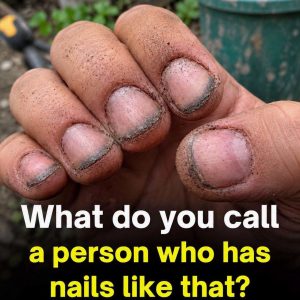
What Dirty Fingernails Really Reveal
One glance at dirty fingernails can turn a stranger into a target for cruel, unfair judgment. But beneath the grime may lie hours of exhausting work, not the careless habits…
Read more
A Piece of the Past: Do You Recognize This Old Tool?
Providing a simple, hand-operated mechanism that wound a thin strip of metal around a metal pin to peel open sardine, spam, or coffee tins before pull-tabs and electric openers existed,…
Read more
Farrah Fawcett’s son is unrecognizable at 41, with devil horns inked into his scalp
Farrah Fawcett appeared to have the perfect Hollywood life, with extraordinary beauty, worldwide fame, and a legendary career. Yet behind her public image was a deeply painful family struggle involving…
Read more
I Noticed Some Unusual Marks On The Ceiling And Couldn’t Figure Out What Had Caused Them
Forming silk-lined debris cases that dangle from walls and ceilings while the larvae feed on cobwebs and natural fibers, these tiny, spindle-shaped domestic invaders are plaster bagworms… SEE MORE BELOW
Read more
Most Kitchen Cabinets Are Easy To Understand, But This One Came With A Little Mystery
Storing kitchen blades safely without fixed slots alongside a removable container for oversized utensils like spatulas and ladles, this hidden cabinet storage feature is a pull-out knife and utensil organizer……
Read more