What unfolded in that chamber amounted to more than a routine elevation of Marco Rubio. It signaled a shift in how unseen authority moves through Washington. The office now under his control does not write laws or command nightly headlines. Its power is quieter—and in many ways more decisive—shaping which regulatory ideas advance and which vanish long before the public ever knows they existed.

This corner of government sits at a critical junction, acting less as a policymaker than as a gatekeeper. It decides which rules are cleared for daylight and which remain trapped in internal review, stalled without explanation. Its influence rarely announces itself, yet its fingerprints appear across vast areas of federal policy, from environmental standards to labor rules and public health.

For years, this choke point operated with little public attention, shielded by technical language and bureaucratic complexity. That obscurity is now eroding. As debates over government efficiency and overreach intensify, so do questions about who wields power when decisions are made quietly, without votes, hearings, or clear lines of accountability. What was once defended as neutral oversight is increasingly viewed as a mechanism capable of reshaping policy without public consent.Supporters argue that this authority is necessary—to prevent regulatory sprawl, reduce redundancy, and move government faster. Critics counter that concentrating such influence behind closed doors risks hollowing out democratic norms. The central tension is no longer abstract: speed versus transparency, efficiency versus legitimacy.

In the months ahead, Rubio’s stewardship will matter less for what it announces than for how it operates. A commitment to documentation, openness, and clear standards could show that reform does not require secrecy. It could restore trust by proving that restraint can coexist with accountability.

But if decisions dissolve into opaque reviews and unexplained delays, the consequences may surface only later—after policies fail to appear, protections quietly weaken, or priorities subtly shift. Americans may come to realize that the most consequential power in Washington is not always the loudest, but the kind exercised far from public view, where absence leaves no obvious trace.

Related Posts

The cemetery’s yellow copy of the plot deed was folded inside my purse when Mrs. Pell told me I no longer owned the space beside Harold.

At 78, I decided to order my own headstone. My heart was failing, and I wanted to make the arrangements myself rather than leave everything to my son, Daniel. I…

Read more

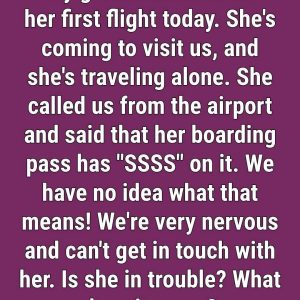
Curious Code On A Boarding Pass

Some travelers notice a small but unusual code printed on their boarding pass: “SSSS.” This stands for Secondary Security Screening Selection and means they have been chosen for additional security…

Read more

Six Weeks After My Father Died I Answered His Phone And A Bank Called To Confirm A Loan He Had Supposedly Co-Signed Three Weeks After We Put Him In The Ground

Carol Whitfield keeps her late father Raymond’s old Samsung phone charged for six weeks after his death, answering occasional calls from his pharmacy and dentist. On April 24, she receives…

Read more

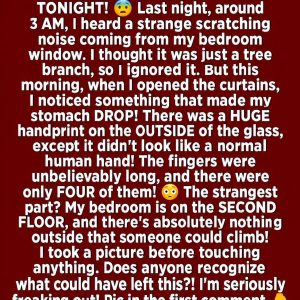
Unusual Trace On An Upstairs Window

Finding a strange, oversized hand-like mark on the outside of an upstairs bedroom window can feel alarming, especially when it seems to show only four clear fingers. Yet some nocturnal…

Read more

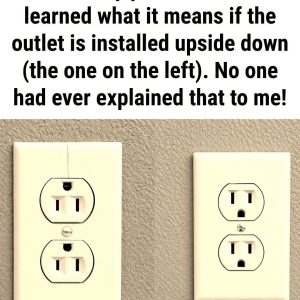
Hidden Meaning Of Flipped Outlets

In many homes, a ground-up outlet can indicate that a wall switch controls part of that receptacle, often for a lamp used like an overhead light. Usually only one half…

Read more

Care Tips You’ll Be Glad You Knew

Bras should ideally be washed after every three wears, according to Candece Etafo, manager of Rigby & Peller’s Fifth Avenue boutique. She also advises against wearing the same bra on…

Read more

Leave a Reply

Your email address will not be published. Required fields are marked *