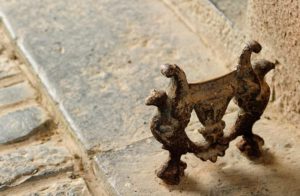
f you’ve ever walked past an old house and spotted a low, cast-iron gadget by the front steps, you’ve likely seen a relic from another era: the boot scraper. Known in French as a “decrottoir,” it was designed for a very practical and not-so-glamorous job—scraping mud and excrement from shoes before stepping indoors.
If you’ve ever walked past an old house and spotted a low, cast-iron gadget by the front steps, you’ve likely seen a relic from another era: the boot scraper. Known in French as a “decrottoir,” it was designed for a very practical and not-so-glamorous job—scraping mud and excrement from shoes before stepping indoors.
In the 18th and 19th centuries, when roads were often unpaved and walking paths were expanding, these sturdy ground-level fixtures acted as the first line of defense against tracking filth into homes and establishments. Placed strategically near entrances, they reflected a down-to-earth emphasis on cleanliness at a time when daily life meant navigating muddy streets and messy pathways.
Many older houses still keep these cast-iron pieces in place, not so much for function as for heritage. Today, boot scrapers are often appreciated as decorative touches that lend vintage character to an entrance. Some homeowners even restore and maintain them, valuing their historical significance and their link to a time when keeping dirt outside required more effort and ingenuity. Alongside other quirky remnants in old homes, they endure as a small but tangible reminder of how urban life and ideas about cleanliness have changed.