I bought an antique cast-iron cherry pitter from the early 1900s for 3 dollars. The piece is described specifically as cast-iron, antique, and dating back to the early 1900s, placing it in a clearly older era of kitchen tool…
I bought an antique cast-iron cherry pitter from the early 1900s for 3 dollars. The piece is described specifically as cast-iron, antique, and dating back to the early 1900s, placing it in a clearly older era of kitchen tools. It is identified as a cherry pitter, so its purpose is to remove pits from cherries, and it is presented as a distinct object that was recently purchased. The mention of its small price, just 3 dollars, sits in sharp contrast to its age and antique status, suggesting that this old, specialized item was obtained very cheaply.
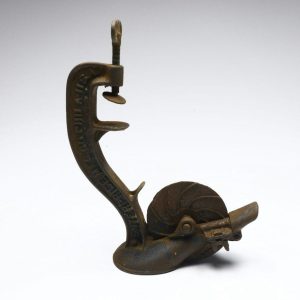
The description highlights only a few key facts: the object is a cherry pitter, it is made of cast iron, it is antique, it originates from the early 1900s, and it was bought for 3 dollars. Nothing else is said about where it was found, who made it, how it looks beyond being cast-iron, or how it is used now. The information remains focused on the simple but striking combination of age, material, function, and price. The result is a small snapshot of someone acquiring a very old, specific kitchen tool for a minimal cost, with no further details given about its history, condition, or future use.