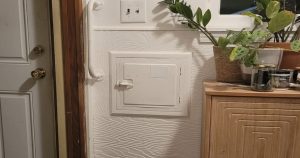
I am an old soul who is endlessly drawn to the hidden quirks of older homes, so when I saw a photo on Reddit of a tiny door in someone’s kitchen wall, I recognized it right away—it was a milk door. These little doors, just big enough for bottles, were once a quiet link.
I am an old soul who is endlessly drawn to the hidden quirks of older homes, so when I saw a photo on Reddit of a tiny door in someone’s kitchen wall, I recognized it right away—it was a milk door. These little doors, just big enough for bottles, were once a quiet link between homeowners and the outside world, a place where fresh milk and other essentials appeared without anyone having to step outside. Built into the exterior walls and often opening directly into the kitchen, milk doors allowed milkmen to deliver bottles early in the morning. People could wake up to fresh milk waiting inside, enjoying a small everyday luxury in the early to mid-20th century, before refrigerators made daily deliveries unnecessary.
 y
Milk doors often handled more than just milk, taking in butter, cream, and eggs from local farmers and dairies, creating a simple, built-in connection between producers and city households. Though they are far less common now, some historic neighborhoods still have them, sometimes repurposed for mail or package deliveries, sealed for efficiency but left as charming architectural relics, or turned into creative features. Homeowners use them as tiny book exchanges, whimsical fairy-garden nooks, or clever storage spots for emergency supplies like flashlights and first aid kits, easy for children to find and remember. Discovering a milk door is part of a larger joy in exploring old houses, where transom windows, dumbwaiters, laundry chutes, and built-in ironing boards reveal how people once solved everyday problems. Keeping these features and finding new uses for them turns a home into an ongoing treasure hunt, keeping us connected to the ingenuity and quiet magic of the past.