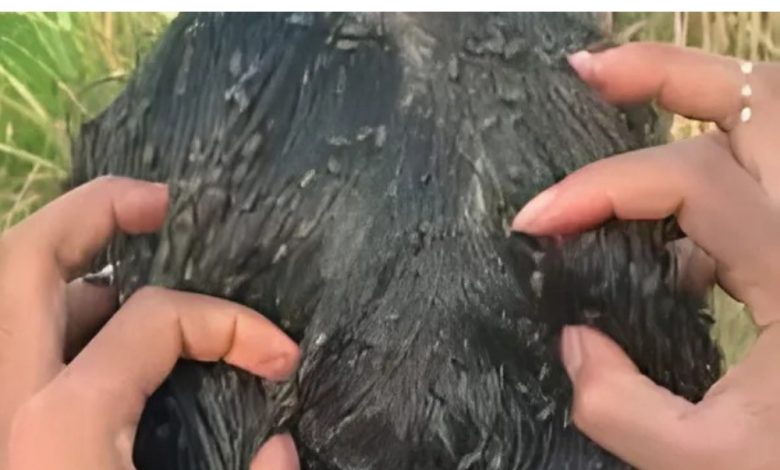
We’ve all been there — finishing a late-night shower, too tired to blow-dry, and thinking, “It’s just water, what harm could it do?” But over the years, several myths about sleeping with wet hair have made many of us second-guess our bedtime habits. So, let’s clear the air!
 Myth 1: Wet hair causes lice
Fact:
Head lice are not caused by wet hair. They are parasites that spread through close contact with someone who already has them, or by sharing personal items like combs or hats.
Sleeping with wet hair won’t magically attract lice — but sharing a pillow with someone who has lice might.

Myth 2: It’s totally harmless
Fact:
-
- Sleeping with wet hair may seem harmless, but it can lead to real issues:
- A damp scalp creates a perfect environment for fungus and bacteria.
-
- It can worsen conditions like dandruff or seborrheic dermatitis.
- Wet hair is weaker, so it’s more prone to breakage, tangling, and split ends.
Myth 3: Air-drying overnight is better than using a blow dryer
Fact:
- While too much heat can damage hair, leaving hair wet overnight isn’t necessarily better. Air-drying while you sleep means your hair stays damp for hours — and that prolonged moisture weakens hair strands and your scalp’s natural balance.
Myth 4: Only long hair is affectedFact:
Nope — this applies to all hair lengths and types. Whether you have short curls or long, straight strands, the risks are similar. Scalp health is the main concern here, and it doesn’t discriminate based on your haircut.
Myth 5: Tying up wet hair keeps it under controlFact:
- It might look like a neat solution, but tying up wet hair can actually make things worse. Wet hair swells and is more elastic, so when it’s pulled tight, it’s more likely to snap and cause breakage.
-
5 Common Myths About Sleeping With Wet Hair
We’ve all been there — finishing a late-night shower, too tired to blow-dry, and thinking, “It’s just water, what harm could it do?” But over the years, several myths about sleeping with wet hair have made many of us second-guess our bedtime habits. So, let’s clear the air!
Myth 1: Wet hair causes liceFact:
Head lice are not caused by wet hair. They are parasites that spread through close contact with someone who already has them, or by sharing personal items like combs or hats.
Sleeping with wet hair won’t magically attract lice — but sharing a pillow with someone who has lice might. Myth 2: It’s totally harmlessFact:
-
- Sleeping with wet hair may seem harmless, but it can lead to real issues:
- A damp scalp creates a perfect environment for fungus and bacteria.
-
- It can worsen conditions like dandruff or seborrheic dermatitis.
- Wet hair is weaker, so it’s more prone to breakage, tangling, and split ends.
Myth 3: Air-drying overnight is better than using a blow dryerFact:
-
- While too much heat can damage hair, leaving hair wet overnight isn’t necessarily better. Air-drying while you sleep means your hair stays damp for hours — and that prolonged moisture weakens hair strands and your scalp’s natural balance.
- The best option? Gently towel-dry, then use a blow dryer on a cool or low heat setting before bed.
Myth 4: Only long hair is affectedFact:
Nope — this applies to all hair lengths and types. Whether you have short curls or long, straight strands, the risks are similar. Scalp health is the main concern here, and it doesn’t discriminate based on your haircut.
Myth 5: Tying up wet hair keeps it under controlFact:
- It might look like a neat solution, but tying up wet hair can actually make things worse. Wet hair swells and is more elastic, so when it’s pulled tight, it’s more likely to snap and cause breakage.
- Plus, tight hairstyles while sleeping can cause tension on the roots, leading to long-term hair thinning.Plus, tight hairstyles while sleeping can cause tension on the roots, leading to long-term hair thinning.
 So what should you do?
If you must wash your hair at night:
- Use a microfiber towel to absorb excess water.
- Dry it at least 80% before going to bed.
- Consider using a silk pillowcase to reduce friction.
- Sleep with hair down or in a loose braid — never tight.
 Final Thoughts:
Sleeping with wet hair won’t give you lice, but it can damage your hair and scalp over time. Understanding the facts helps you build healthier habits — and your hair will thank you for it.
-