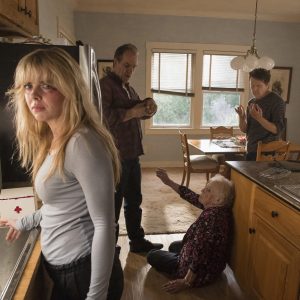
My name is Claire. I’m thirty years old, and until a few weeks ago, I believed that doing the right thing would never come back to hurt me.
Three years ago, I noticed my elderly neighbor’s mailbox overflowing. Bills. Catalogs. Letters curling at the edges from sitting too long in the sun. Every day on my way to work, I walked past it. Every day, it bothered me more.
One evening, I finally knocked.
Mrs. Whitmore opened the door slowly. She wore a cardigan even though it was warm outside. She didn’t look frail so much as embarrassed.
“I’m sorry to bother you,” I said. “I live next door. I noticed your mail…”
She glanced down. “It’s gotten away from me.”
“Would you like help sorting through it?”
She hesitated — pride wrestling with practicality — then stepped aside. “That would be kind, dear.”
That night became a routine.
Sorting mail turned into grocery runs. Grocery runs turned into medication pickups, small home repairs, shared tea on her porch. I learned she liked her tea steeped for exactly four minutes. That she hated crossword puzzles but did them anyway because they “kept the mind honest.” That her ginger cat, Pumpkin, ruled the house.
She told me about her late husband and their three children. They lived out of state. They visited rarely.
When they did come, their presence felt… transactional.
They walked through the house as though appraising it. Whispering about the china cabinet. Pausing too long at the jewelry box. Discussing “when the time comes” in voices loud enough for her to hear.
I stayed in the other room when they argued. Pretended not to notice.
After they left, Mrs. Whitmore would sit very still for a long time. I never said what I thought. I wasn’t family.
But I saw everything.
And I showed up.
She showed up for me, too.
One afternoon, she stood in my kitchen helping me rescue a pie recipe. Her eyes lingered on the child’s drawing still taped to my refrigerator.
It was the last thing my daughter had made before illness took her from me. My marriage didn’t survive that loss.
Mrs. Whitmore didn’t ask questions. She just placed her hand gently over mine.
We filled each other’s silence.
Last month, her health declined quickly.
One quiet morning, I brought groceries and found the house too still. Pumpkin paced near the hallway. Mrs. Whitmore lay in bed, peaceful, as though she had simply decided to rest a little longer.
The children arrived for the funeral dressed in solemn black and practiced grief. By evening, they were already discussing paperwork.
The morning after her burial, I was still in yesterday’s clothes when someone pounded on my door.
Two police officers stood outside.
One of her daughters stood beside them, arms folded tight across her chest.
“Were you caring for Mrs. Whitmore?” an officer asked.