Beneath the elevated train tracks of Queens’ Roosevelt Avenue, residents say a “red-light district” has taken root, replacing what was once a thriving immigrant commercial hub. Brothels disguised as massage parlors or bodegas operate openly, fueling calls for federal intervention as local enforcement struggles to contain the problem.
Frustrated by years of failed crackdowns, community leaders bypassed Rep. Alexandria Ocasio-Cortez, appealing directly to FBI Director Kash Patel. Their coalition, Restore Roosevelt Avenue, has staged rallies outside alleged brothels, warning that gangs are forcing women into prostitution and selling drugs in broad daylight.
Police report over 350 prostitution-related arrests this year, but residents argue these efforts barely scratch the surface. Criminal organizations quickly replace arrested members, leaving families to navigate streets where solicitation is visible even near schools. Parents say the psychological toll on children is severe.
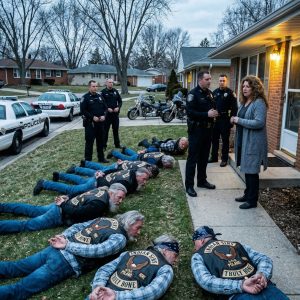
In April, federal agents arrested eight suspected members of the 18th Street gang tied to violence along the strip. Yet community leaders insist only a sweeping federal operation using racketeering and trafficking laws can dismantle entrenched networks that also include Tren de Aragua and Chinese organized crime groups.
The human impact weighs heavily. “Our children shouldn’t witness women being forced to sell their bodies,” said coalition spokesperson Rosa Sanchez. Residents describe altering daily routines to avoid dangerous blocks, a sign of how deeply the issue has eroded neighborhood life.
AOC has sought funding for nonprofits addressing trafficking, but locals say her response is insufficient compared to neighboring Rep. Grace Meng, who has actively pushed for federal funds and closer coordination with the NYPD. The contrast has fueled criticism of AOC’s priorities.
Law enforcement faces limits: nuisance abatement laws close brothels temporarily, but operations quickly relocate. With trafficking victims at the center, residents demand action targeting profiteers rather than exploited women.
For now, the crisis remains a political and social flashpoint. Roosevelt Avenue’s struggle reflects broader challenges of immigration, organized crime, and urban governance — and a community unwilling to stay silent as their neighborhood is transformed.