The Caller’s Name
My belt was looped over my wrist and my boarding pass lay flat in the gray tray, so light it felt like a dare. Shoes off. Laptop out.
Liquids in their little plastic bag. The TSA line moved in that slow, irritated shuffle where nobody makes eye contact but everybody judges. I kept looking at the clock above the checkpoint and willing it to move faster.
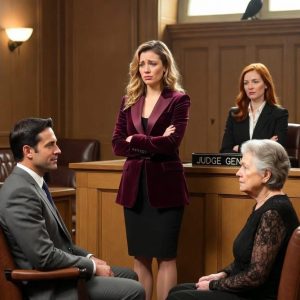
This wasn’t a vacation. This was a sprint. My grandfather’s probate hearing was scheduled that morning in Rio Arriba County—the kind of hearing that takes grief and turns it into paperwork, names next to property, signatures next to money, the court deciding what gets passed on and what gets fought over.
Since Grandpa’s funeral, my parents had been circling that day like it belonged to them. We’ll handle it, they’d said. You’ll just complicate everything, they’d said.
They wanted me absent. They wanted the judge to see an empty chair when my name was called, so they could explain it away with concern and soft voices and the story they’d already rehearsed: Nina’s emotional. Nina’s unstable.