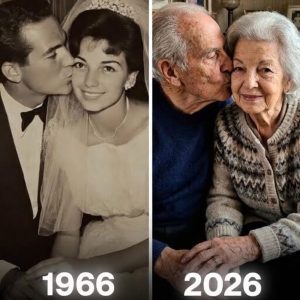
Leonardo Ortega had spent most of his life mastering the art of control. By his late forties, his name was synonymous with luxury, efficiency, and quiet power. He owned hotels that rose like monuments along coastlines and city centers, places where guests believed perfection was effortless because Leonardo made it so. His days were scheduled to the minute, his public image polished, his fortune vast. People admired him, envied him, studied him. What no one ever saw was the hollow space that lived beneath the tailored suits and measured speech, a silence that had followed him since childhood.
Leonardo had grown up believing he was an orphan twice over, told again and again that both his parents had died in a sudden, violent accident when he was still a small boy. The story had been repeated so often by his aunt Ramona, who raised him, that it became law in his mind. Questions were discouraged, grief was minimized, and memory was treated like a dangerous thing. Over time, Leonardo learned to stop asking. He buried his curiosity beneath ambition, replacing unanswered questions with achievements. Yet something always lingered, a sense that part of his story had been amputated without his consent.
On a rainy afternoon many decades later, feeling unmoored despite his success, Leonardo decided to make a charitable donation not as a publicity gesture but as a way to feel something human again. He asked his assistant to find a nursing home in need of help, not one of the polished institutions that catered to donors, but a place that had been forgotten. That decision, made almost casually, would undo every certainty he had ever carried.