Summer is around the corner and temperatures are rising. As such, the electric bills are bound to fluctuate, increasing as more people run the air conditioner. Luckily there are some methods to help things run more smoothly, ensuring cost and energy efficiency.
Like most things, using the air conditioner has an upside and a downside. For example, air conditioners serve an important function, protecting people from the sweltering sun and heat. However, they’re also a major contributor to the environmental effects of global warming, which has led to an increase in fatal heat waves over the years. Sadly, scientists predict the temperatures will continue to increase, annually. Luckily, some things can be done to meet somewhere in the middle, ensuring your family’s safety without causing excess harm to the planet.
1. Unclog the Air Conditioner
Cleaning all the vents and piping throughout the air conditioner system is one sure way to prevent any blockages that will disrupt airflow. Cleaning the air conditioner system can also be done by a professional. Either way, it’ll save money and energy if air can travel freely through the system, dispursing through the house.
2. Call an Air Conditioner Professional
Whether you clean the air conditioner system on your own or hire a professional, it’s a good idea to have a professional examine the system regardless. They’ll be able to inform you of things like poor airflow or faulty pipes and wiring.
3. Keep a Consistent Temperature

Keeping the temperature in the same range throughout the day will prevent the air conditioner from overworking during the hottest parts of the day.
4. Increase the Temperature
Many people make the mistake of turning the thermostat down to 65. However, it’s bad for the environment and your energy bills. Instead, try to keep the thermostat around 70 degrees, as it can decrease energy usage by about 20%.
5. Turn off the Air Conditioner
Midsummer nights can be unbearably hot but several weeks before and after have comfortable and breezy night temperatures. Turn the air conditioner off at night and open the windows if possible. Additionally, it’s recommended to turn the air conditioner off while no one is home to prevent the air conditioner from being overworked, ensuring it gets a break. Alternatively, if you’re traveling and live somewhere with frequent scorching temperatures, such as the desert, it might be helpful to consider keeping the air conditioner running at a higher 70-degree temperature. This will help prevent candles from melting and hygiene products from leaking.
6. Note the Time of Day
More energy is used in the afternoon and toward the end of the day because temperatures are the hottest, and people are home from work and school. However, some activities won’t require the air conditioner and can be done enjoying the afternoon together. For example, places with water are great places to cool off and spend the afternoon waiting for the sun to set. This might include a local river, lake, or community swimming pool.
7. Close Windows
After a night of sleep thanks to the breezy open windows, closing them will help reduce how much heat comes into the house from the Sun.
8. Close Blinds
Additionally, closing blinds will keep the sunlight to a minimum and prevent the air conditioner from overworking during the hottest time of day.
9. Use a Ceiling Fan with the Air Conditioner
Ceiling fans do an ideal job of helping circulate cool air and therefore are a great supplement to using the air conditioner without overworking it.
10. Cook with Care
Another great way to ensure the air conditioner is running efficiently is to plan meals around appliance usage. For example, consider meals that use smaller appliances like microwaves and slow cookers rather than heating the oven. Or cook large meals early in the day so the heat from the oven can dissipate before the house heats up. Alternatively, planning cold meals, such as salads or charcuterie boards, will help minimize the need to use heat-producing appliances.
11. Ventilate and Insulate
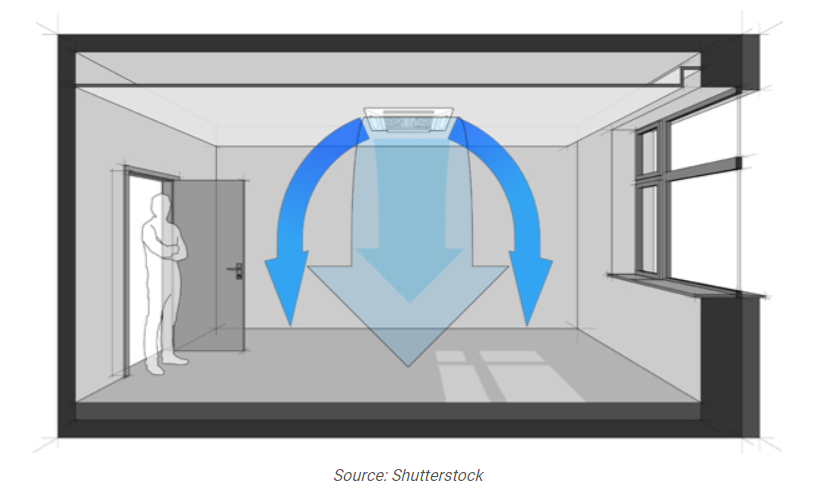
In addition to having air conditioner ducts cleaned, and removing any blockages, proper insulation is another factor that impacts an air conditioner’s ability to function. Fill any cracks or holes and use weatherstripping to ensure no air is escaping. Additionally, this applies to homes with attics, basements, or porches with below storage.
12. Consider a Smart Thermostat
Although a smart thermostat may have a higher cost upfront, it’ll be far more energy efficient. These thermostats have several programmable features to meet each family’s needs, including turning it off or down while out and about.