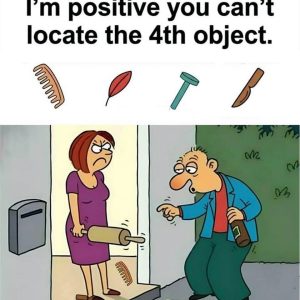
Sometimes, the simplest riddles are the hardest to solve. You can spend several minutes searching for hidden clues, imagining different scenarios, and coming up with creative answers, only to discover that the solution was sitting right in front of you all along.
The “I Met a Man on the London Bridge” riddle is a perfect example. It sounds like a straightforward story, but there is a clever wordplay trick hidden in the wording. Before revealing the answer, take a moment to see if you can figure it out yourself!
Unlike complicated brain teasers that require math or specialized knowledge, this puzzle tests your attention to detail. The trick is to stop imagining what happened in the story and focus on the exact words used to describe it.
The final sentence says that the speaker told us the man’s name, but it does not clearly identify a specific name in the version quoted above.
So, as written, the riddle is ambiguous: it does not provide enough information to establish one definite name.
Some versions of this puzzle use a different wording or include an additional clue that makes a particular answer possible. Without that extra detail, assigning the man a specific name would be a guess rather than a logically proven solution.
That’s an important lesson in solving riddles: a clever answer should fit the exact wording, not merely sound plausible.
Why Is the London Bridge Riddle So Tricky?
It encourages you to imagine a story
When you read about someone meeting a stranger on a bridge, your mind naturally pictures a real-life encounter. You begin thinking about what the man did, where he went, and how he revealed his identity.