Your tongue is quietly asking for attention. Most people never think to listen. A pale or white coating, a bitter aftertaste, breath that doesn’t improve no matter how much you brush—these are often dismissed as surface-level annoyances. Yet the tongue is one of the few places where the body reveals its inner state without filters. What appears there can be an early whisper that balance elsewhere has begun to slip.
Seen this way, the tongue becomes a small dashboard for internal health. A persistent white coating commonly points to yeast or microbial imbalance in the mouth, especially when paired with unpleasant breath or taste. This doesn’t usually appear out of nowhere. It is often encouraged by recent antibiotic use, chronic stress, dehydration, poor oral hygiene, or diets heavy in sugar and refined carbohydrates—conditions that quietly feed imbalance while starving beneficial bacteria.
What makes the tongue especially important is how often it mirrors systems beyond the mouth. When similar symptoms appear elsewhere—itching, discomfort, or unusual discharge—it can suggest a broader pattern involving digestion, immunity, and hormonal regulation. The body rarely isolates problems; it signals through clusters.
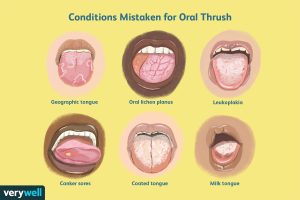
Daily care, though simple, is powerful. Gentle tongue brushing or scraping removes buildup that brushing alone misses. Rinsing with salt water or baking soda supports a less hospitable environment for overgrowth. Reducing sugar intake eases the fuel supply for yeast, while probiotic-rich foods help restore microbial harmony from within. These small, steady habits often do more than aggressive fixes.

There is also wisdom in restraint. If a white tongue persists despite good care—or is accompanied by discomfort, fatigue, or recurring infections—it deserves professional evaluation rather than self-diagnosis. Listening early prevents escalation later.